Business Name: FootPrints Home Care
Address: 4811 Hardware Dr NE d1, Albuquerque, NM 87109
Phone: (505) 828-3918
FootPrints Home Care
FootPrints Home Care offers in-home senior care including assistance with activities of daily living, meal preparation and light housekeeping, companion care and more. We offer a no-charge in-home assessment to design care for the client to age in place. FootPrints offers senior home care in the greater Albuquerque region as well as the Santa Fe/Los Alamos area.
4811 Hardware Dr NE d1, Albuquerque, NM 87109
Business Hours
Monday thru Sunday: 24 Hours
Facebook: https://www.facebook.com/FootPrintsHomeCare/
Instagram: https://www.instagram.com/footprintshomecare/
LinkedIn: https://www.linkedin.com/company/footprints-home-care
Keeping an aging parent or partner in your home is rarely an easy yes or no decision. It outgrows a mix of love, obligation, financial resources, medical truths, and the personality of the person you are taking care of. I have sat at lots of kitchen tables with families who were trying to answer the exact same question: how do we keep Mom safe and supported without stripping away her self-reliance or sense of self.
Home care, when done thoughtfully, can be an effective middle ground in between doing everything yourself and moving a loved one into a center. It can extend quality of life, decrease hospitalizations, and provide households more good days together. It can likewise be chaotic and tiring if the home itself, the routines, and the expectations are not set up with intention.
This post walks through what I have seen work in real homes, from simple safety fixes to the psychological realities of taking care of an older grownup in the location they understand best.
What "home care" actually means
People use several terms that overlap: home care, in-home care, at home senior care, senior home care, home care for parents. Below the jargon, you are actually talking about support that concerns where the older adult lives.
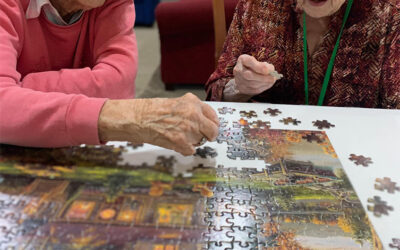
The specifics vary. Some individuals need only a few hours of help with laundry and grocery shopping each week. Others require 24/7 supervision for dementia or sophisticated disease. Home care might be a daughter coming by daily after work, an expert caretaker from an Albuquerque home care firm, or some combination of household, next-door neighbors, and paid support.
Before you attempt to design the best setup, get clear on what problem you are attempting to solve. Is your father falling, avoiding medications, getting lost while driving, or merely lonely and under-stimulated. Each situation points to a various type of in-home senior care.
A useful starting point is to sketch a normal week. Where does your loved one struggle. Where do you feel anxious about their safety. Where are you burning out. That sketch becomes your roadmap.
Understanding the real level of need
Families frequently overestimate what an older adult can still handle, especially if the person is proud, personal, or extremely articulate. The opposite occurs too: adult kids who live out of town may presume their parent is defenseless based upon one frightening incident.
Professionals utilize terms like "activities of daily living" (ADLs) and "instrumental activities of daily living" (IADLs). You do not need the jargon, however it helps to think along those lines:
First, the essentials of self care, such as bathing, dressing, using the toilet, getting in and out of bed, and feeding oneself. Second, the more intricate tasks like managing medications, shopping, cooking, cleansing, transport, paying bills, and using a phone.

Watch for patterns, not one-off bad days. A single fall in the shower might be a fluke. Falling two times in a month, or quietly quiting showers due to the fact that it "takes too much energy," informs you the current setup is not safe.
If there is cognitive modification, like dementia or mild cognitive problems, build that into your plans early. Someone who can still talk with dignity about the news at 2 p.m. May be roaming at night or mixing up medication does. In those circumstances, supervision and routines become as important as physical safety measures.
When you are unsure, a home safety and care assessment by a nurse, physiotherapist, or a respectable senior home care agency can be indispensable. Many companies that supply Albuquerque home care, for example, will send someone to assess the home and your loved one's practical status at low or no charge, due to the fact that it helps them create a proper care plan.
Making the home more secure without turning it into a hospital
You desire safety, however you likewise desire a home that still seems like your mother's home, not a small clinic. The best elder care environments keep familiar objects and routines while quietly reducing risk.
Think about three major threats: falls, fires, and medication errors.
Falls are the top culprit I see. Carpets that huddle at the corners, dim hallways, small steps at the front entrance, a preferred however wobbly armchair, pets underfoot. None of these appearance unsafe till a hip fracture lands somebody in rehab.
You can usually lower fall danger with small, targeted adjustments rather of an overall remodel. Great lighting, particularly from bed to restroom. Sturdy grab bars in the shower and near the toilet, not suction-cup variations that pave the way at the worst minute. Non-slip matting inside the tub and on the bathroom floor. A shower chair or bench if balance or stamina is poor. Clear pathways without mess or cables, especially near the bed, reclining chair, and kitchen.
If your loved one uses a walker or wheelchair, walk through your home utilizing that device. Entrance thresholds that are hardly visible on foot can be major tripping dangers. Rug that are sentimental may need to be relocated to a room they no longer use every day.
Fire and cooking safety become concerns when memory, judgment, or movement modification. If your parent has actually left pots burning on the stove, you might think about induction cooktops, automated shut-off devices for ranges, or moving more meals to microwave and slow cooker. Smoke alarm need to work, and someone still requires to check them regularly. In some homes, disabling the gas oven and transferring to counter top devices is the ideal compromise.
Medication errors are easy to miss up until something goes really incorrect. I have actually seen older adults take double dosages since they forgot they currently took a tablet, or stop a vital heart medication because filling up the prescription felt too complicated.
Simple tools help: a weekly tablet organizer box, blister-packed medications from a drug store, or electronic dispensers that unlock only at particular times with audible prompts. For some families, a caregiver or nurse putting together the pillbox when a week, then a fast everyday telephone call or visit to confirm doses, combines structure with respect for autonomy.
Throughout, invite the older adult into the conversation as much as possible. Modifications go much better when they feel like a partner, not a project.
Room by room: useful environmental tweaks
Each space holds its own set of dangers and opportunities. When I stroll through a home with a family, I tend to focus on 4 areas.
The entrance and corridor set the tone. Consider the number of actions there are, and whether hand rails are on both sides and strong. If a ramp is needed, have it built to code by somebody who understands wheelchair and walker safety. A small table or rack best inside the door for mail and keys can also lower bending and browsing that increase fall risk.
The bedroom need to allow simple transfers in and out of bed. The mattress height matters: too low and it is hard to stand, too expensive and feet dangle, which is unstable. A simple bed rail can help, however avoid full-length rails that feel like restraints, particularly with dementia. Keep the path to the bathroom totally clear and well lit, with a nightlight or motion sensor light. Some families include a commode near the bed if night-time seriousness is severe.
Bathrooms are worthy of additional attention. This is often where individuals fall. Raised toilet seats, durable grab bars anchored into studs, hand-held showerheads, and reachable racks all lower risk. Replace glass shower doors that swing directly with a drape if a walker or chair needs to fit. Inspect water temperature level to prevent scalds, especially in individuals with diabetes or decreased sensation.
In the cooking area, think of reach and intricacy. Place the most used dishes, pans, and devices in between shoulder and hip height. Heavy objects belong lower, not in overhead cabinets. Label racks if memory is a problem. Some families remove or hide sharp knives, matches, or rarely used devices that position threat. If your loved one takes pleasure in cooking but no longer securely manages the range, think about monitored cooking sessions with home care aides, or restrict them to simpler tasks like mixing, chopping with safe tools, or preparing cold meals.
These modifications are most reliable when layered with thoughtful regimens. A safe restroom is needed, but reminding Dad not to bring his walker while attempting to move a laundry basket is equally important.
Emotional safety and self-respect: the unnoticeable half of the work
Physical safety is the apparent part of elder care. The psychological environment is quieter however just as important. I have actually entered homes where whatever looked ideal, yet the older adult felt caught, infantilized, or ignored.
Most older adults fear losing control more than they fear falling. They worry that accepting a caretaker, or letting a kid manage their medications, is the first step toward being sent out to a center. Pushing assistance too hard can set off resistance, anger, or subtle sabotage.
It helps to frame in-home care as a tool that supports their concerns. For instance, "This way you can keep living here and keep your garden," or "If somebody comes two times a week to help with bathing and cleansing, I will stop nagging you about it." When individuals comprehend that assistance is what allows them to stay at home, they tend to accept it more readily.
Small choices matter. Let your mother choose what time to shower and what to wear, even if it takes extra persistence. Ask your father how he desires the furnishings arranged around his new recliner, or which caretaker he feels most comfy with. When employing senior home care, include your loved one in interviews and trial shifts. They will notice mindsets you might miss.
The tone you set as a family matters too. Fixing an older adult harshly in front of a caretaker, grumbling about the work right in front of them, or speaking about them as if they are not in the space, gradually wears down dignity. Treat them as the primary client.
I typically motivate households to build in minutes that are about enjoyment, not only care jobs. Listening to old records after dinner, a short car ride through their favorite area, or a standing call with an old good friend on Sundays can make the distinction between a life that seems like waiting and a life that still has texture.
Balancing family caregiving with professional support
Many households presume they need to pick between doing whatever themselves or contracting out elder care totally. In practice, the most sustainable setups integrate family participation with professional in-home care.
Family caregiving brings connection, history, and trust. You know how your mother takes her coffee which your father will just shower after enjoying the morning news. You can also advocate strongly for them in medical settings.
The drawback is burnout. I have watched strong, capable adult kids silently damage their own health by supplying 24/7 guidance, skipping getaways, or working nights after caring for a parent all the time. Resentment sneaks in, even in the most dedicated families, if assistance and breaks are not built into the plan.
Professional caretakers from a trustworthy home care company can fill spaces. They can cover early mornings when you are at work, offer over night supervision, or deal with physically demanding tasks that are hard on your back. In a city like Albuquerque, home care companies typically use extremely versatile schedules: anything from a couple of hours a week as much as live-in care. Some likewise offer specific dementia care, hospice assistance, or post-surgical assistance.
The secret is clarity. Choose in composing who is accountable for what. For example, the firm caretaker deals with bathing, light housekeeping, and meal preparation on weekdays, while family covers weekends, financial resources, and medical consultations. A basic shared calendar, even a paper one on the fridge, keeps everybody aligned.
Cost is the other difficult reality. Paid in-home senior care is not inexpensive, especially at greater hours. Long-term care insurance coverage, veterans' benefits, state programs, and some Medicaid waivers can offset costs for qualified people, but the rules are intricate. Before you make huge dedications, talk with a social worker, elder law attorney, or care manager who comprehends funding alternatives in your region.
When to generate more help: warnings to watch
Families in some cases delay getting help because they stress it sends the incorrect message or due to the fact that each brand-new requirement approaches slowly. A couple of patterns recommend it is time to step up assistance or reassess the care plan.
First, repeated falls or near falls, especially when your loved one demands doing tasks that clearly exceed their strength. Second, significant weight-loss, dirty clothing, or ruined food in the refrigerator that indicate problem with meals and self care. Third, roaming, leaving the stove on, or getting lost while driving. Fourth, unsettled expenses accumulating, late notifications, or confusion about money where there was none before. Fifth, caretaker exhaustion: you find yourself snapping, forgetting your own visits, or dreading each day.
Any single event can be addressed with tweaks. When numerous of these stack up, it is time for a fuller reassessment. That might indicate increasing home care hours, adding night-time supervision, involving respite services so the main caretaker can rest, or exploring assisted living or memory care options.
A frank conversation with the primary doctor assists. Ask not simply, "Is she safe in the house," however "Under what conditions could she stay at home, and what would require to change."
A simple home safety and care preparation checklist
The process of setting up or updating senior home care can feel overwhelming. Households frequently feel like they are missing out on something important. A brief list, upgraded every few months, keeps you grounded.
- Walk through the home and recognize journey hazards, poor lighting, and hard-to-reach products. Address a minimum of one safety concern weekly rather of trying to repair whatever at once. Review medications: who prescribes them, who fills them, and how dosages are organized day to day. Confirm that every drug on the list still has a clear purpose. Map out a normal 24 hr. Note who is with your loved one, when they are alone, and when their energy, mood, or confusion are worst. Align caregiving support with those high-risk times. List everyone and service associated with care, from next-door neighbors to physical therapists. Ensure contact info and roles are clearly composed somewhere everyone can access. Schedule respite. Even if it is simply a half day every two weeks with an in-home care supplier or a relied on friend, put it on the calendar before you feel desperate.
This kind of purposeful preparation does not get rid of all unpredictability, however it keeps you ahead of preventable crises.
Working proficiently with an in-home care agency
If you choose to involve a professional agency, how you established the relationship matters as much as which firm you choose.
Start with a practical task description. Unclear requests like "aid with everything" set everybody up for disappointment. Instead, define that the caretaker will help with bathing two times a week, prepare lunch and a light dinner, prompt medications (if allowed by state regulations), do light housekeeping in the bathroom and kitchen, and provide supervision on brief walks outside.
During the very first weeks, anticipate a finding out curve. Your parent is getting used to a new person in their area. The caregiver is discovering home routines and preferences. You are determining what details to leave for them. Some friction is regular. What ought to not be disregarded are much deeper red flags like misuse, disrespectful talk, consistent lateness, or poor hygiene. Good firms will take those concerns seriously.
Communication tools help. An easy notebook or binder that stays in the home, where caretakers document what happened throughout each shift, gives relative and other professionals a shared record. If your firm utilizes an app, find out enough of it to read updates and message the care team.
When possible, try to keep the same caregivers on the schedule. Connection matters deeply for older adults, specifically those with dementia or stress and anxiety. A revolving door of strangers increases confusion and distrust.
Finally, bear in mind that caregivers are human. A word of gratitude, a clear description of your loved one's peculiarities, and realistic expectations go a long method towards building a strong partnership.
Caring for the caregiver: you
Family members typically see themselves as the last line of defense and feel guilty for desiring a break. Yet every skilled elder care expert I know will inform you the exact same thing: burned-out caretakers make https://lorenzooaom255.wpsuo.com/senior-home-care-vs-assisted-living-emergency-readiness-and-action more mistakes and have less patience, which harms everyone involved.
Watch your own warning signs. If you are awakening at 3 a.m. Stressing over whether Mom took her tablets, crying in the car after leaving the house, or feeling continuously resentful of brother or sisters who are "less included," those are signals that your own reserves are low.
Support can take lots of forms. Some caregivers participate in local support system, which can be specifically grounding in medium-sized cities where services like Albuquerque home care prevail but household networks are spread. Others depend on faith communities, online groups, or a therapist who comprehends chronic caregiving stress.
Respite care, adult day programs, or short-term stays in assisted living facilities can provide you real time off without deserting your responsibilities. In some areas, moneying programs will even pay household caretakers for a set number of hours, which helps balance out the financial hit of decreasing work hours.
Most essential, try to maintain at least one part of your life that has to do with you: a weekly yoga class, a month-to-month supper with friends, a gardening job. You will be a steadier presence for your aging loved one if you are not operating on fumes.
Accepting that plans will change
Elder care in your home is not a one-time decision. It is a series of adjustments as health, mobility, and cognition progress. A setup that works beautifully this year might be unsafe next year. That is not a failure of love or planning, simply the nature of aging and illness.
Families who cope best are those who revisit their care strategy routinely. Every few months, ask yourselves and your loved one: What is working. What feels hard. What has altered medically or mentally. What are we preventing talking about.
Sometimes the answer is simple, like adding 2 additional afternoons of in-home care. In some cases the honest response is that even with optimal home support, your loved one needs the 24-hour staffing and medical oversight of assisted living, memory care, or an experienced nursing facility. I have seen households who swore they would "never ever put Mom in a home" later on state that moving her to a great center, after years of diligent home care, brought relief and much better lifestyle for everyone.
The goal is not to cling to a single model at all expenses. The objective is to keep your aging loved one as safe, comfy, and connected as realistically possible, while also protecting the health and stability of the household supplying the care.
Home, for numerous older grownups, is not just a structure. It is a sense of familiarity, autonomy, and identity. Thoughtful home care, whether family based, expertly supported, or both, can secure that sense of home longer and more with dignity. It requires truthful evaluation, practical modifications, and a desire to request for aid before you are in crisis.
FootPrints Home Care is a Home Care Agency
FootPrints Home Care provides In-Home Care Services
FootPrints Home Care serves Seniors and Adults Requiring Assistance
FootPrints Home Care offers Companionship Care
FootPrints Home Care offers Personal Care Support
FootPrints Home Care provides In-Home Alzheimer’s and Dementia Care
FootPrints Home Care focuses on Maintaining Client Independence at Home
FootPrints Home Care employs Professional Caregivers
FootPrints Home Care operates in Albuquerque, NM
FootPrints Home Care prioritizes Customized Care Plans for Each Client
FootPrints Home Care provides 24-Hour In-Home Support
FootPrints Home Care assists with Activities of Daily Living (ADLs)
FootPrints Home Care supports Medication Reminders and Monitoring
FootPrints Home Care delivers Respite Care for Family Caregivers
FootPrints Home Care ensures Safety and Comfort Within the Home
FootPrints Home Care coordinates with Family Members and Healthcare Providers
FootPrints Home Care offers Housekeeping and Homemaker Services
FootPrints Home Care specializes in Non-Medical Care for Aging Adults
FootPrints Home Care maintains Flexible Scheduling and Care Plan Options
FootPrints Home Care is guided by Faith-Based Principles of Compassion and Service
FootPrints Home Care has a phone number of (505) 828-3918
FootPrints Home Care has an address of 4811 Hardware Dr NE d1, Albuquerque, NM 87109
FootPrints Home Care has a website https://footprintshomecare.com/
FootPrints Home Care has Google Maps listing https://maps.app.goo.gl/QobiEduAt9WFiA4e6
FootPrints Home Care has Facebook page https://www.facebook.com/FootPrintsHomeCare/
FootPrints Home Care has Instagram https://www.instagram.com/footprintshomecare/
FootPrints Home Care has LinkedIn https://www.linkedin.com/company/footprints-home-care
FootPrints Home Care won Top Work Places 2023-2024
FootPrints Home Care earned Best of Home Care 2025
FootPrints Home Care won Best Places to Work 2019
People Also Ask about FootPrints Home Care
What services does FootPrints Home Care provide?
FootPrints Home Care offers non-medical, in-home support for seniors and adults who wish to remain independent at home. Services include companionship, personal care, mobility assistance, housekeeping, meal preparation, respite care, dementia care, and help with activities of daily living (ADLs). Care plans are personalized to match each client’s needs, preferences, and daily routines.
How does FootPrints Home Care create personalized care plans?
Each care plan begins with a free in-home assessment, where FootPrints Home Care evaluates the client’s physical needs, home environment, routines, and family goals. From there, a customized plan is created covering daily tasks, safety considerations, caregiver scheduling, and long-term wellness needs. Plans are reviewed regularly and adjusted as care needs change.
Are your caregivers trained and background-checked?
Yes. All FootPrints Home Care caregivers undergo extensive background checks, reference verification, and professional screening before being hired. Caregivers are trained in senior support, dementia care techniques, communication, safety practices, and hands-on care. Ongoing training ensures that clients receive safe, compassionate, and professional support.
Can FootPrints Home Care provide care for clients with Alzheimer’s or dementia?
Absolutely. FootPrints Home Care offers specialized Alzheimer’s and dementia care designed to support cognitive changes, reduce anxiety, maintain routines, and create a safe home environment. Caregivers are trained in memory-care best practices, redirection techniques, communication strategies, and behavior support.
What areas does FootPrints Home Care serve?
FootPrints Home Care proudly serves Albuquerque New Mexico and surrounding communities, offering dependable, local in-home care to seniors and adults in need of extra daily support. If you’re unsure whether your home is within the service area, FootPrints Home Care can confirm coverage and help arrange the right care solution.
Where is FootPrints Home Care located?
FootPrints Home Care is conveniently located at 4811 Hardware Dr NE d1, Albuquerque, NM 87109. You can easily find directions on Google Maps or call at (505) 828-3918 24-hoursa day, Monday through Sunday
How can I contact FootPrints Home Care?
You can contact FootPrints Home Care by phone at: (505) 828-3918, visit their website at https://footprintshomecare.com, or connect on social media via Facebook, Instagram & LinkedIn
Antiquity Restaurant provides a warm, accessible dining experience — perfect for a comforting night out even while receiving in-home care or assisted support.